


Does Everything Automatically Go to Your Spouse? Inheritance Myths Explained
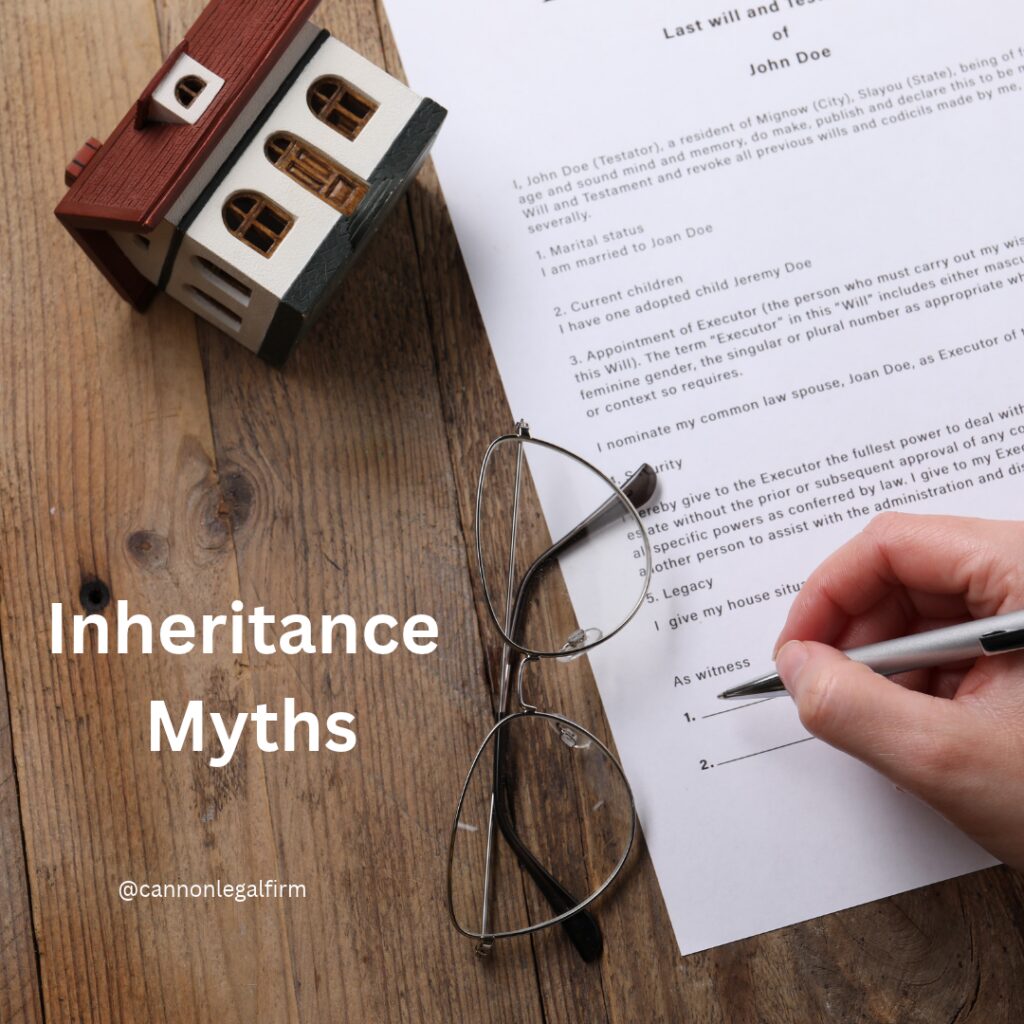
Many married couples assume that if one spouse passes away, everything they own automatically transfers to the surviving spouse. While this may happen in certain circumstances, it is not always guaranteed. Inheritance myths. Understanding California inheritance laws and having a properly prepared estate plan can help prevent unexpected complications, family disputes, and unnecessary probate proceedings.
One of the most common estate planning myths is that marriage automatically gives a surviving spouse the right to inherit all of their partner’s assets. The reality can be more complicated.
Myth #1: My Spouse Automatically Inherits Everything
Marriage does not mean every asset automatically transfers to the surviving spouse. How you title the property, whether it is community or separate property, and whether you designate beneficiaries can play important roles.
In California, community property generally belongs equally to both spouses. Ownership and estate planning documents can decide how to manage separate property, financial accounts, real estate, and other assets. Without proper planning, you may need to go through probate before you distribute assets.
Myth #2: A Marriage Certificate Is Enough to Protect My Spouse
A marriage certificate establishes a legal relationship, but it does not replace an estate plan. Financial accounts, retirement plans, life insurance policies, and other assets may have beneficiary designations that determine who receives them.
For example, imagine a husband who has a life insurance policy naming his sibling as the beneficiary. Later, he marries but fails to update the policy. If he passes away, the insurance proceeds may go to the named sibling rather than his surviving spouse.
This is why reviewing beneficiary designations can be an important part of estate planning.
Myth #3: My Spouse Will Automatically Receive Our Home
Home-ownership can create unexpected inheritance issues. The way a property is titled can affect how it transfers after death. Certain forms of joint ownership may allow property to pass directly to a surviving owner, while other ownership arrangements may require additional legal steps.
Even married couples who have lived in the same home for decades should understand how their property is legally titled and whether their estate plan properly addresses it.
Myth #4: My Family Will Know What I Wanted
Assuming family members will automatically agree about inheritance can lead to serious disagreements. Children from previous relationships, surviving spouses, other relatives, and beneficiaries may have different expectations.
A clearly established estate plan can help communicate your wishes, identify who should receive specific assets, and reduce the likelihood of disputes.
Protect Your Spouse With Proper Estate Planning
A good way to protect your spouse can be to not rely on assumptions. A comprehensive California estate plan may include a living trust, appropriate beneficiary designations, property ownership reviews, and advance healthcare directives.
Estate planning is not just about deciding who receives your assets. It is about protecting the people you love and making difficult transitions easier for your family.
If you are married and have not reviewed your estate plan recently, you should start now. Changes in marriage, family circumstances, property ownership, and finances can all affect your estate planning needs.
Cannon Legal Firm helps individuals and families navigate estate and trust planning, administration, and litigation matters.
Schedule a free consultation with Cannon Legal Firm to discuss your estate planning needs and protect your spouse.